
A story app for Android

Stories for slow moments.

Stories to read on your phone: true love, survival, crime and kindness, plus horror legends from around the world. Each story is marked Real or Fiction on its cover, so you know which one you’re reading.

Coming soon to Google Play

Free to read, with a few banner ads. No account needed.

  • Freeto read, with a few banner ads
  • Realreal people and events
  • Fictionlegends, retold as stories
  • Offlinethe whole library is in the app

Why Storiva

Why Storiva is different

100 stories in five collections, made to fit the time you actually have.

  • Short chapters

    A chapter usually takes a minute or two, and most stories take under 15 minutes. Stop anywhere, and the app keeps your place.

  • Real lives, clearly marked

    True stories of love, survival, crime and kindness, researched from reliable sources. Legends are marked Fiction, and any imagined scene is labelled.

  • No internet, no account

    The whole library is on your phone. Open the app and read, even on a plane or with no signal.

The story of the app

Made for the quiet minutes in a day

Storiva is a small library for the time between other things: a bus ride, a lunch break, the last ten minutes before sleep. Stories come in short chapters, and the app remembers exactly where you stopped.

The true stories are researched from news reports, books, court records and interviews, with sources listed so you can read further. The legends are fiction, and they say so at the start.

Some stories deal with crime, violence, illness and death. They’re written for teens and adults.

True CrimeFamous cases and mysteries
Survival & DisastersPeople who lived through it
Love StoriesDevotion and second chances
Horror & LegendsLegends and strange cases
Kindness StoriesSmall acts that changed a life

Inside the app

What’s in the app

  • Reminders you control

    One reminder at a time you choose, or let Smart timing learn when you usually read. Turn it off anytime.

  • Sources you can check

    True stories end with the sources behind them, so you can read further.

  • Easy on the eyes

    Light, dark and sepia themes, with text size you can adjust.

  • Find the next one

    Search by name, place or moment, or filter by length and by Real or Fiction.

  • Keep your place

    Favorites, a reading list and a history of what you’ve read.

  • Stays on your phone

    Your progress and history are never sent to us. Read the privacy policy.

From readers

What readers say

These are samples showing where reviews will go. They are not real reviews.

  • Sample

    A real reader's review will go here: which story they read and what stayed with them.

    Reader's name

  • Sample

    A real reader's review will go here: which story they read and what stayed with them.

    Reader's name

  • Sample

    A real reader's review will go here: which story they read and what stayed with them.

    Reader's name

Install on Android

Get Storiva on your Android phone

Storiva is for Android phones and tablets. It’s free to read, with a few banner ads from Google.

Coming soon to Google Play

Storiva is getting ready for Google Play. The button will go live here as soon as it’s out.

Questions

Is it free?

Yes. Storiva is free to read and shows a few banner ads from Google.

Are the stories true?

Most are about real people, places and events. Some horror stories are fiction based on legends and folklore. Each is marked on its cover, and you can filter by either one.

Do I need internet?

No. Every story is already in the app, so you can read anywhere, even on a plane or with no signal. Only the ads need a connection.

Is there an iPhone version?

Not right now. Storiva is currently for Android.

How can I contact you?

Email support@storiva.example to report a problem or suggest a story.

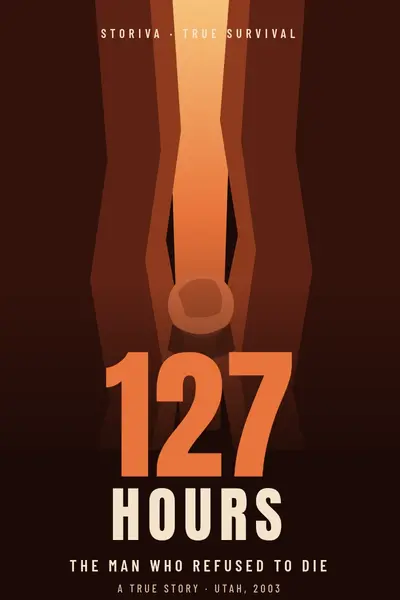
127 Hours: The Man Who Refused to Die

This true survival story includes severe injury, dehydration, and a self-amputation.

Imagine a crack in the earth so narrow that your shoulders brush both walls.

Overhead, a thin strip of sky. Underfoot, cold red sandstone. No road, no house, no footsteps anywhere within miles.

Your right hand is trapped between a boulder and the wall. You pull. You twist. You brace your boot against the rock and throw your whole weight backward, and nothing moves, not even a grain of sand.

So you shout. Your voice runs down the canyon, bounces once, and dies.

Then comes the thought that turns your stomach cold. You never told anyone which canyon you were going to.

That was where Aron Ralston found himself in April 2003, alone in Blue John Canyon. He was an experienced outdoorsman, but experience could not move the stone.

The rest of this story is in the app.

Get Storiva to keep reading

My Love, Don't Cross That River

In a small village in the mountains of Gangwon Province, in South Korea, an old couple went everywhere together.

They wore matching clothes: the colourful traditional Korean dress called hanbok, in the same bright colours, like a pair. When they walked to the river or up the hill, they held hands.

The man was Jo Byeong-man. He was 98 years old. The woman was Kang Kye-yeol. She was 89.

They had been married for 76 years.

But the way they treated each other made people stop and stare. They teased each other. They laughed. They played like children.

They spent every day like a newly married couple.

The rest of this story is in the app.

Get Storiva to keep reading

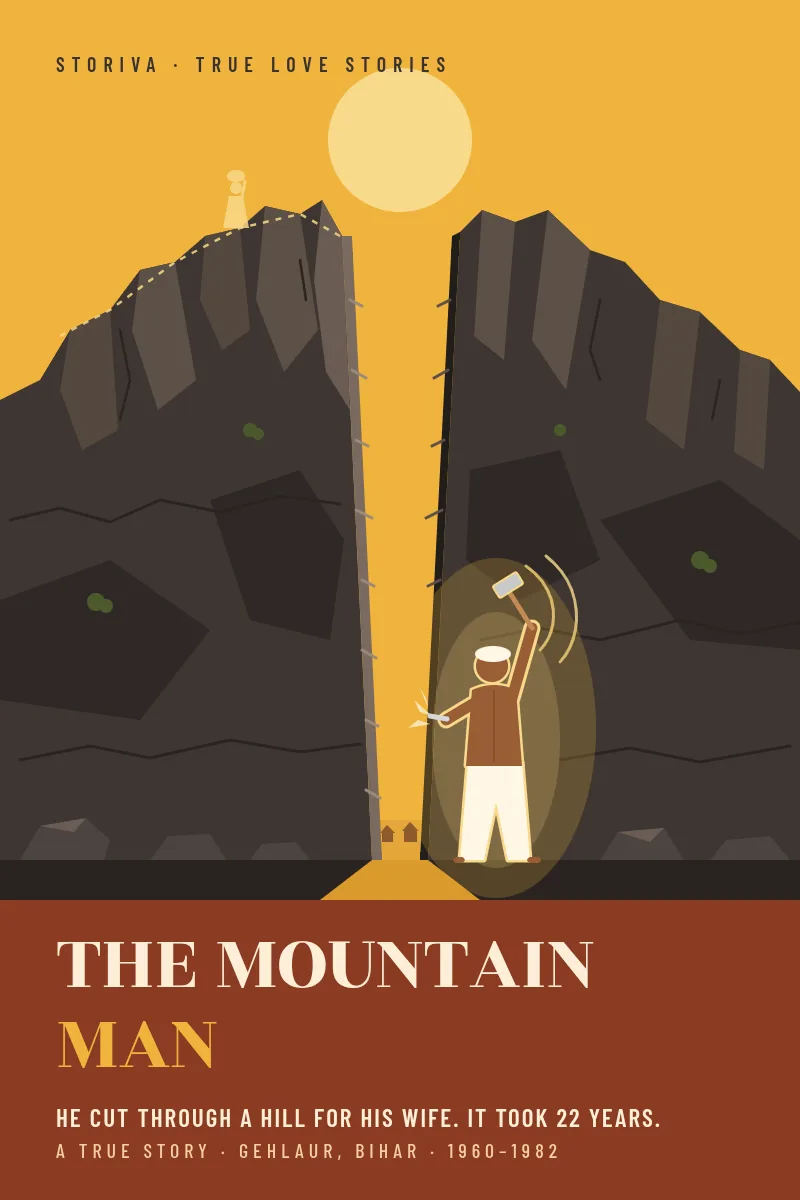
The Mountain Man: He Cut Through a Hill for His Wife

In the village of Gehlaur, in the state of Bihar in India, there was a hill.

It was not a very tall hill. But it was made of hard, grey rock, and it stood between the village and everything the village needed. The fields, the market, the school, the hospital — all of them were on the other side.

Every day, a poor labourer named Dashrath Manjhi worked on the other side of that hill. And every day, his wife, Falguni Devi, climbed the path to bring him food and water.

They had very little. But they had each other.

The hill was just part of life. Nobody thought about changing it.

The rest of this story is in the app.

Get Storiva to keep reading

The Man Who Vanished into the Storm

The day before Thanksgiving in 1971, a man boarded Flight 305 in Portland. Before the plane landed, he had vanished.

At Portland International Airport in Oregon, the crowds were big. People were hurrying home to their families. They carried bags, gifts and tired children. It was cold and rainy outside, and the sky was heavy and grey.

And somewhere in the airport line, there was a man.

At the Northwest Orient counter, he paid cash for a one-way ticket. He gave his name as Dan Cooper. It was not his real name, though no one knew this yet. He looked to be in his mid-forties and about six feet tall. He wore a dark business suit, a trench coat and loafers. To the people around him, he looked like a tired businessman heading home for the holiday.

Nothing about him stood out. That was the point, perhaps.

The rest of this story is in the app.

Get Storiva to keep reading

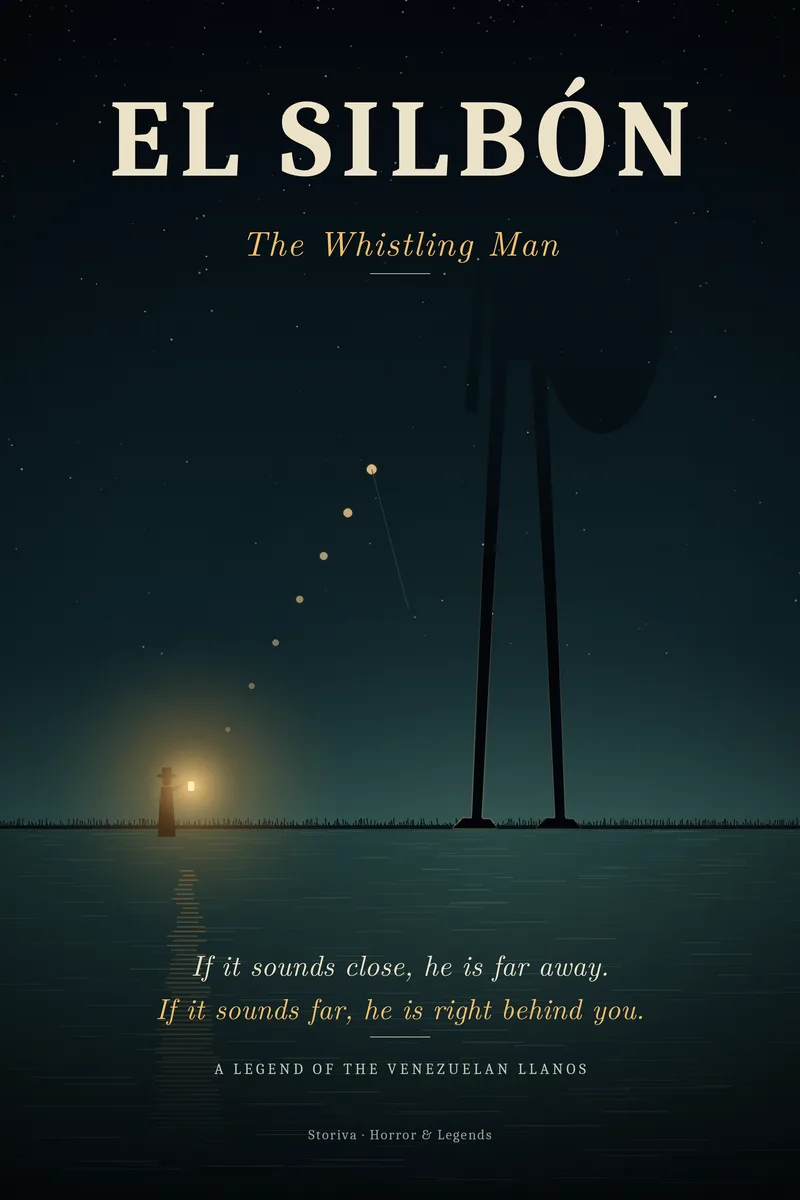
El Silbón: The Whistling Man

This is fiction based on Venezuelan folklore. The characters are invented. It includes drunkenness, a son's violence toward his father, and mention of the killing in the old legend, without graphic detail.

It has seven notes. Anyone on the plains can whistle them for you, though nobody will, not after sundown. It goes up the scale slowly, do, re, mi, fa, sol, la, si. Then it comes down again, very quick and thin.

Learn this the right way around.

Close means far. Far means close.

If you hear it right by your ear, he's a long way off. If you hear it so faint you aren't sure you heard it, he's right behind you.

If you hear it very faint, you should start saying your prayers.

The rest of this story is in the app.

Get Storiva to keep reading

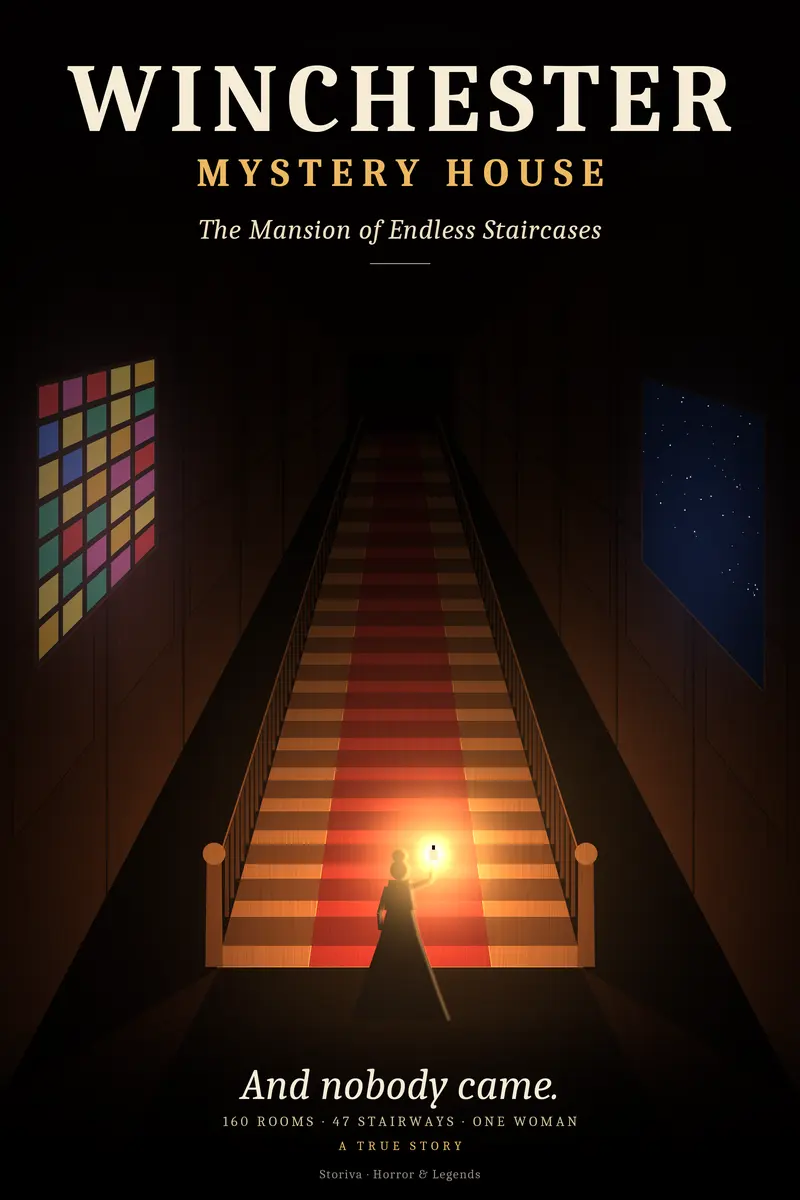
The Winchester Mystery House: The Mansion of Endless Staircases

This true story mentions the death of a baby and of a husband, from illness. It also discusses legends about the ghosts of people killed by guns.

The guide stops at a door on the second floor, and she lets the group gather around. She opens it.

There's nothing behind it. There's a long drop to the bushes in the garden. If you stepped through, you would break your leg.

Everybody laughs a little.

The house was built by Sarah Winchester, the widow of the man who made the famous rifle. After her baby and her husband both died, she went to a medium in Boston, a person who speaks to the dead. Her family was cursed, the medium said. The ghosts of everyone ever killed by a Winchester rifle were coming for her. She must go west and build them a house, and she must never stop. If the hammers ever stopped, she would die.

So for thirty-eight years, the carpenters worked day and night. She built stairs to nowhere, to confuse the spirits. Every night, she went alone to a blue room to get her orders. She spied on her workers through holes in the walls.

It's a terrific story. People have been paying to hear it since 1923.

A historian named Mary Jo Ignoffo went looking for the proof.

The rest of this story is in the app.

Get Storiva to keep reading